

Alcohol Intoxication: Acute, Symptoms, Treatments, Signs, and More
Content
People that have multiple drinks in a short amount of time are in danger of having too much before they even realize it. It’s a myth that a person can recover from alcohol intoxication by sleeping, taking a cold shower, going for a walk, or drinking black coffee or caffeine. In fact, doing these things can put an intoxicated person at greater risk of injury and death. People cannot treat severe alcohol intoxication — or alcohol poisoning — at home.
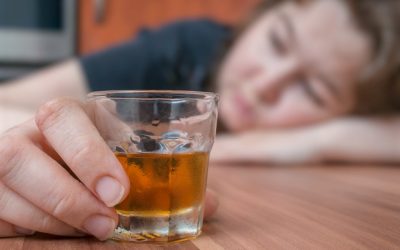
Ethanol toxicity results from the ingestion of ethanol, usually in large quantities. This can occur from the ingestion of beverage ethanol, commonly known as alcohol, and non-beverage ethanol, present in substances such as mouthwash, cologne, and cough medicine. Alcohol is the most common form of ethanol and is a widely used and abused substance, mostly in western culture, representing the oldest and most widely abused substance. The demographic most likely to present for acute alcohol intoxication are adolescents and young adults.
The 7 Stages of Alcohol Intoxication
Contact a health care provider if you have questions about your health. You don’t need any special preparations for a blood alcohol test. The legal alcohol limit for drinking in public varies from state to state. Alcohol intoxication causes physical and behavioral symptoms that range from mild to severe. 6.Mustroph J, Lebek S, Maier LS, Neef S. Mechanisms of cardiac ethanol toxicity and novel treatment options. Casa Palmera gave me a second chance at “Living the Life” I’ve always wanted.
For severe cases of alcohol intoxication, your loved one may be kept in the hospital for observation. Even after being released, his body will still need to recover from the incident—it may affect mood, appetite, and brain function. While prompt medical treatment can help someone who is extremely intoxicated from alcohol, that is only a short-term solution.
The Six Stages of Alcohol Intoxication: How Dangerous Is Too Much?
Approximately 3.3 million deaths can be attributed to alcohol use; it is the fourth leading preventable cause of death in the United States. One in 12 adults has alcohol use disorder, which is defined as more than 3 drinks a day in men and more than 2 drinks a day in females or binge drinking.
They may have feelings of numbness and become unaware of their surroundings. Deficiencies in motor function and coordination become more pronounced in this stage. The senses are also noticeably impaired at this point. People may start behaving with less restraint, and judgment may now be askew. Some people also get drowsy, have trouble seeing well, or even experience some minor memory lapses.
Stage 6: Coma
Keep toxic items in your garage or storage area safely out of reach. Consider keeping alcoholic beverages under lock and key. If the person must lie down, make sure to turn his or her head to the side — this helps prevent choking.
- Emergency medical attention is necessary at this point to avoid death and severe health problems.
- These findings typically occur as the patient is recovering from the initial intoxication.
- Your whole body absorbs alcohol, but it really takes its toll on the brain.
- The most effective therapy for alcoholic liver disease is prolonged abstinence from alcohol.
- These include your age, gender, overall health, how much you drink, how long you have been drinking and how often you normally drink.
Alcohol poisoning is typically based on blood alcohol level, the amount of alcohol in the blood at any given time. Loss of balance and coordination begins around .09 to .25 blood alcohol level. Needless to say, the individual’s life is in danger at this stage. When a person has consumed stages of alcohol intoxication quite a few alcoholic drinks, the effects of the alcoholic stupor stage will become stronger. Individuals might have exaggerated euphoric episodes, and their equilibrium may be lacking. This might be the stage during which they experience massive confusion or even blackouts.
Treatment
After this, if the person still needs care, they will require a different type of program such as a longer term residential program. Someone in this stage usually needs immediate medical help to survive. People who are left to “sleep it off” may end up experiencing hazardously slowed breathing or complete respiratory arrest, or they may aspirate on their own vomit. Other risks include hypothermia, heart arrhythmia, and seizures.
- For healthy adults, that means up to one drink a day for women of all ages and men older than age 65, and up to two drinks a day for men age 65 and younger.
- A blood alcohol test measures the amount of alcohol in a sample of your blood.
- When someone has consumed alcohol, they may exhibit physical and behavioral symptoms depending on several factors.
- Few studies have shown vitamin deficiencies in intoxicated patients; thus, the routine use of IV multivitamins should be considered on a case to case basis.
- Aside from all the previously mentioned symptoms, becoming intoxicated puts you at risk for multiple types of dangerous situations.
- A person who drives with a higher BAC is at risk of arrest.

